
Blog

We Were Never Meant to Do This Alone: September’s Call to Care
September observances include Suicide Prevention, National Recovery, and Pain Awareness. One is about crises. One is about healing and recovery from mental health and substance abuse. One is about chronic physical pain. There is a single thread that emerges among these three observances — a deep, human need for a felt sense of belonging.

Why Social Workers and System Thinkers Belong in Civic Tech
The hardest problems aren’t always technical, but they are relational, ethical, and political. Social workers are essential partners in systems improvement, civic tech, and service design. This piece explore why social workers and other systems thinkers can support an upstream approach to transformational changes and inform potential futures in design, innovation, and policy.

Holding On to “Potential”: How Self‑Betrayal Sneaks Into Our Relationships and Work Lives
If you’re staying for who someone might become or what a job could be someday, you’re sacrificing your present self for a future that may never arrive. Waiting for “someday” often costs us our boundaries, our dreams, and our self-respect. You deserve clarity now.

How to Choose Between Coaching and Therapy to Address Burnout
If your workplace won’t change to address your burnout, you can lead your own change. While there is more awareness around burnout, many still aren’t sure what kind of support will actually help. While I recognize burnout as systems issues, the purpose of this piece is to provide education to support informed decision making when an individual is exploring between coaching and therapy to support their burnout recovery.
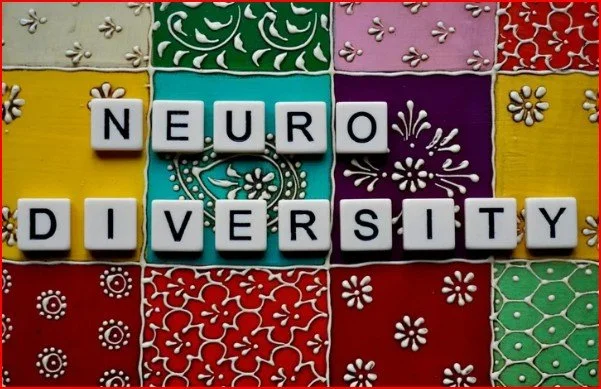
Chronically Misunderstood: Finding Healing Through Therapy
Many neurodivergent people move through the world feeling chronically misunderstood — their needs dismissed, their communication misread, their inner world unseen. Therapy can offer a healing space where those experiences are validated, honored, and explored with compassion. This post looks at how supportive, neurodiversity-affirming therapy helps people reconnect with their strengths, rebuild trust in themselves, and finally feel understood.