
Blog

Why Social Workers and System Thinkers Belong in Civic Tech
The hardest problems aren’t always technical, but they are relational, ethical, and political. Social workers are essential partners in systems improvement, civic tech, and service design. This piece explore why social workers and other systems thinkers can support an upstream approach to transformational changes and inform potential futures in design, innovation, and policy.

Holding On to “Potential”: How Self‑Betrayal Sneaks Into Our Relationships and Work Lives
If you’re staying for who someone might become or what a job could be someday, you’re sacrificing your present self for a future that may never arrive. Waiting for “someday” often costs us our boundaries, our dreams, and our self-respect. You deserve clarity now.

How to Choose Between Coaching and Therapy to Address Burnout
If your workplace won’t change to address your burnout, you can lead your own change. While there is more awareness around burnout, many still aren’t sure what kind of support will actually help. While I recognize burnout as systems issues, the purpose of this piece is to provide education to support informed decision making when an individual is exploring between coaching and therapy to support their burnout recovery.

How to Set Boundaries Without Feeling Guilty: Scripts for Work and Relationships
Setting boundaries is one of the most powerful acts of self-respect and form of self-care. The hard part is finding the language to communicate it without being consumed by guilt or shame afterward. Here is a structure to help and ready-to-scripts so you can advocate for yourself without self-doubt.
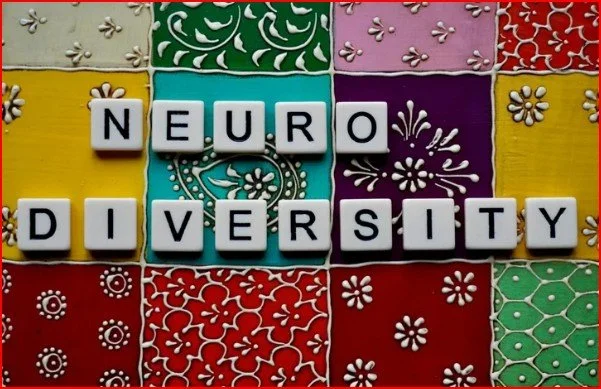
Chronically Misunderstood: Finding Healing Through Therapy
Many neurodivergent people move through the world feeling chronically misunderstood — their needs dismissed, their communication misread, their inner world unseen. Therapy can offer a healing space where those experiences are validated, honored, and explored with compassion. This post looks at how supportive, neurodiversity-affirming therapy helps people reconnect with their strengths, rebuild trust in themselves, and finally feel understood.

Emotional Intelligence in Leadership: The Underestimated Workplace Well-being Strategy
Leadership development has always been important, and with employees prioritizing workplace cultures that demonstrate values for workforce well-being, organizations are in a position to prioritize developing emotional intelligence across leadership levels.

Housing, Aging, and the Systems We Must Reimagine
The future we want won’t emerge from adaptation to misalignment. It must be deliberately influenced and designed by people willing to do the inner work and lead with courage and shared purpose.
If we don’t act soon, we’ll miss opportunities to create better systems and improve our futures in housing and care. When burden and blame are redirected onto the very populations being failed, we lose the opportunity to pursue sustainable, long-term change for the greater good.

Tending Together
Professional grief for healthcare professionals is pervasive and intensifying across settings. Healthcare workers face cumulative losses that can lead to complicated grief, compassion fatigue, exacerbated mental health issues, and impact workplace effectiveness and patient outcomes. Organizations need both informal and formal networks and systems that create a path forward in tending care together.

The CARE Framework: A Human-Centered Approach to Organizational Development
Organizations face mounting challenges with employee burnout, talent management, and maintaining a cohesive culture. The CARE Framework offers a collaborative approach to driving outcomes by placing human well-being at the center of organizational success. By practicing dignified stewardship of the workforce, organizations create strategic advantages in talent acquisition, organizational agility, and innovation capacity.

A Time for More Care: Reimagining Our Desired Futures
The ways we build systems, workplaces, and relationships either sustain us or drain us. When we center care for the human experience, we create possibilities to lead with courage and compassion, to create with intention instead of urgency, and collaborate for meaningful change.