
Emotional Intelligence in Leadership: The Underestimated Workplace Well-being Strategy
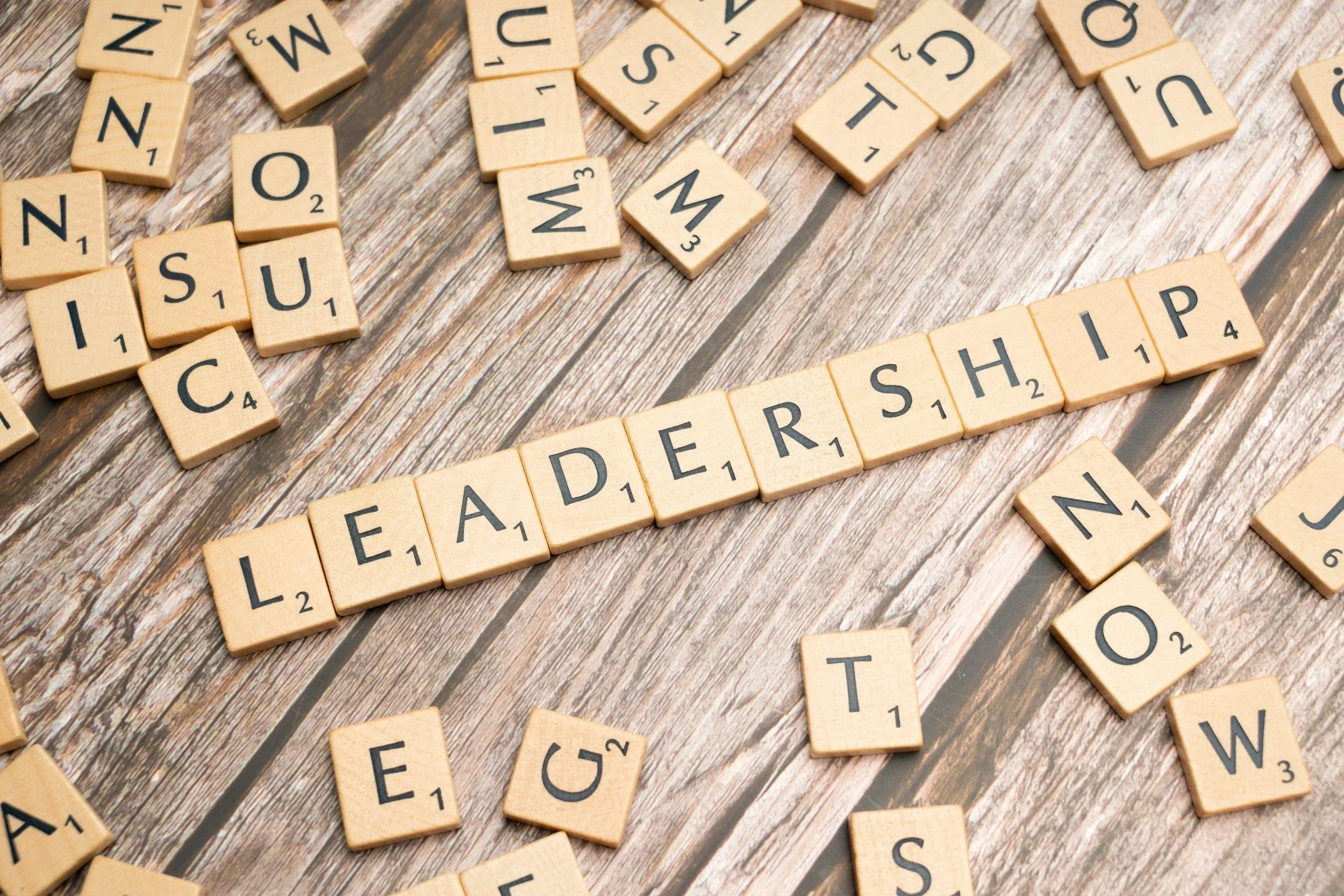
Wooden Scrabble letters spelling “Leadership”
Empathy and Communication Drive Workforce Well-being
As a mid-level manager, you sit at one of the most consequential intersections in any organization. Middle management is where you absorb pressure from various directions that demands a lot. You translate strategy from above into actionable plans with the teams you lead. You are expected to be decisive, efficient, and solution-oriented. More than almost anyone else in the workplace, you shape the day to day experience of the people on your team. The ability to understand, manage, and leverage your own emotions is critical for managing stress, clearly communicating, and driving high performance.
When leaders have higher emotional intelligence, organizations will see how team members and customer service or patient care experiences benefit. The ability to be aware of, understand, and manage emotions is fundamental to personal and professional success. Leader emotional intelligence promotes team satisfaction, productivity, engagement, well-being, and helps develop esprit de corps, fostering cohesion or morale. Emotional intelligence for leadership drives workforce well-being because when leaders are judiciously and empathetically relational, they can effectively empower, motivate, and develop individuals and teams while supporting reduced burnout, improved satisfaction, and desired outcomes.
Slowing Down and Listening to Understand First.
Most managers are promoted because they’re good problem-solvers. That instinct to identify an issue and quickly fix it is an asset in many situations. But in leadership roles, it can quietly undermine trust and engagement. When an employee comes to you with a concern, a frustration, or a struggle, the impulse to jump straight into solutions can inadvertently send the message that you’re more interested in resolving the issue rather than understanding their perspective. Over time, this pattern can also unintentionally signal to others that their experience doesn’t matter. This ineffective leadership approach results in people feeling unheard, unseen, and unappreciated.
Most workplace miscommunication is not a language problem, but a listening problem driven by reactivity. Slowing down to ensure you can reflect back what was heard accurately, being able to acknowledge the other person’s perspective makes sense, and let the person feel validated by connecting with what the other person feels. Actively listening and taking the time to connect and empathize demonstrates care and creates opportunities to build on relationships and collaborative problem-solving.
Leaders are responsible for creating the conditions where direct, honest conversation becomes safe. Structure helps foster these conditions and with a consistent communication framework built on impactful active listening and empathy skills, managers can show up less reactively. This adjustment in how managers show up in one-on-one conversations can meaningfully change the trust, psychological safety, and collaboration on a team.
People quit ineffective leaders before leaving the organization. When leaders are trusted, the organization’s culture becomes a competitive advantage for recruitment and retention. Trusted leaders are collaborative, learning from those they lead and demonstrating genuine interest, curiosity, and vulnerability. How you communicate, generate trust, and nurture relationships for those you lead can be improved by understanding what matters to them. Leaders can leverage the skills, strengths, inspirations, and motivations of those they lead to explore opportunities for development, improvement, strategic alignment, and innovation that can benefit the organization, deliverables, and overall experience.
Creating Safety for Difficult Conversations
Performance concerns, interpersonal tensions, and personal struggles affecting work require a kind of space that allows for relationship building, unconditional regard, clear expectations, and non-judgmental response. People who feel safe raising difficult issues early, and can trust that bringing the issues forward is worthwhile, are far less likely to let those issues quietly grow into disengagement, resentment, or turnover. By practicing active, empathetic listening, checking for understanding, and developing the habit of perspective-taking before reacting, leaders can create a relational infrastructure. Here, empathy interrupts cycles that quietly erode trust, morale, and performance. HR and formal mediation processes exist for a reason, but when there is an effective relational infrastructure already in place, empathy is also a preventative measure
Self-Awareness as the Foundation
None of this works without self-awareness. Every manager brings relational patterns to their leadership. This is reflected in ways of responding to stress, conflict, or vulnerability that were shaped long before the first leadership role. Some of those patterns serve the team. Some don’t.
The manager who gets defensive when challenged, who withdraws when things get uncomfortable, or unconsciously favors team members who communicate in a similar style or their preferred style – these patterns are rarely intentional, but they are felt by the people around them.
Leadership development rooted in honest self-reflection builds the kind of relational intelligence needed for employee engagement, leading through change, and developing people. Asking how do I show up under pressure? What do I avoid? What do I fear? How do I know I make people feel safe? Whose voice am I not hearing? Leaders at all levels benefit from self-reflection and understanding how their current emotional landscape influences how they show up for others.
Leadership development has always been important, and with employees prioritizing workplace cultures that demonstrate values for workforce well-being, organizations are in a position to prioritize developing emotional intelligence across leadership levels.
Four Reasons Why Workplaces Should Prioritize Developing Leadership Emotional Intelligence
Conflict is costing more than they realize. Unresolved conflict between team members or between a leader and direct report drains productivity, increases turnover, and consumes too much management time. A leader who can facilitate dialogue, consistent bidirectional communication, and seek to understand – rather than avoid conflict – becomes a force multiplier for team cohesion.
High performers are disengaging. Talented employees quit their bosses long before they quit the organization. When high performers feel chronically unheard, unseen, or dismissed, they disengage. A leader who recognizes and responds to employee distress and interrupts dynamics – criticism, defensiveness, withdrawal – that signal eroding relationships before it becomes a retention problem.
Leading through change or uncertainty. Mergers, restructuring, rapid growth, or cultural shifts all amplify relational stress within and across teams. Leaders who can hold space for their team’s anxieties and validate without minimizing them, are more effective at sustaining trust and engagement.
Workplace culture is a competitive edge. A leader who models empathetic listening, communicates consistently and with clarity, validates experiences and the impact, and supports a collaborative process without rushing to react teaches their teams and influences the organization how to treat each other. These repeated relational experiences shape workplace culture that can also create the conditions where people from different backgrounds, identities, and experiences have a true sense of belonging.
If this resonates with you, I’d love to connect. Whether you’re looking to sharpen your leadership skills, enhance your organization’s leadership development planning, strengthen how you communicate at work, or build greater capacity for empathy in your professional and personal relationships – this work is worth doing. Reach out to start a conversation about how we might work together!
I’m Andi Phillips, a licensed clinical social worker with nearly two decades of experience across education, community, and health care settings including over ten years in federal health care leadership. Before starting Desired Futures in 2025, I served as the first social worker Chief Well-being Officer for the federal government, leading innovative strategies aligned with the Reduce Employee Burnout and Optimize Organizational Thriving (REBOOT), a nationwide initiative to develop and implement interventions to reduce burnout among federal health care workers. Today, I am helping organizations transform workplace culture and organizational health to create desired futures rooted in care, creativity, and connection. I also provide therapy to individuals and couples in Illinois who identify as high-achieving professionals, LGBTQ, or neurodivergent who may be struggling with mental health, identity, relationships, or work/life balance and are seeking clarity, confidence, and sense of purpose. You can learn more about my work at Desired Futures Counseling & Consulting.
For any inquiries, please contact:
Andi M. Phillips, LCSW
Email: andi@desiredfuturescounselingandconsulting.com
Website: https://www.desiredfuturescounselingandconsulting.com
